


At-home Phototherapy: The Complete Guide to Skin in 2026
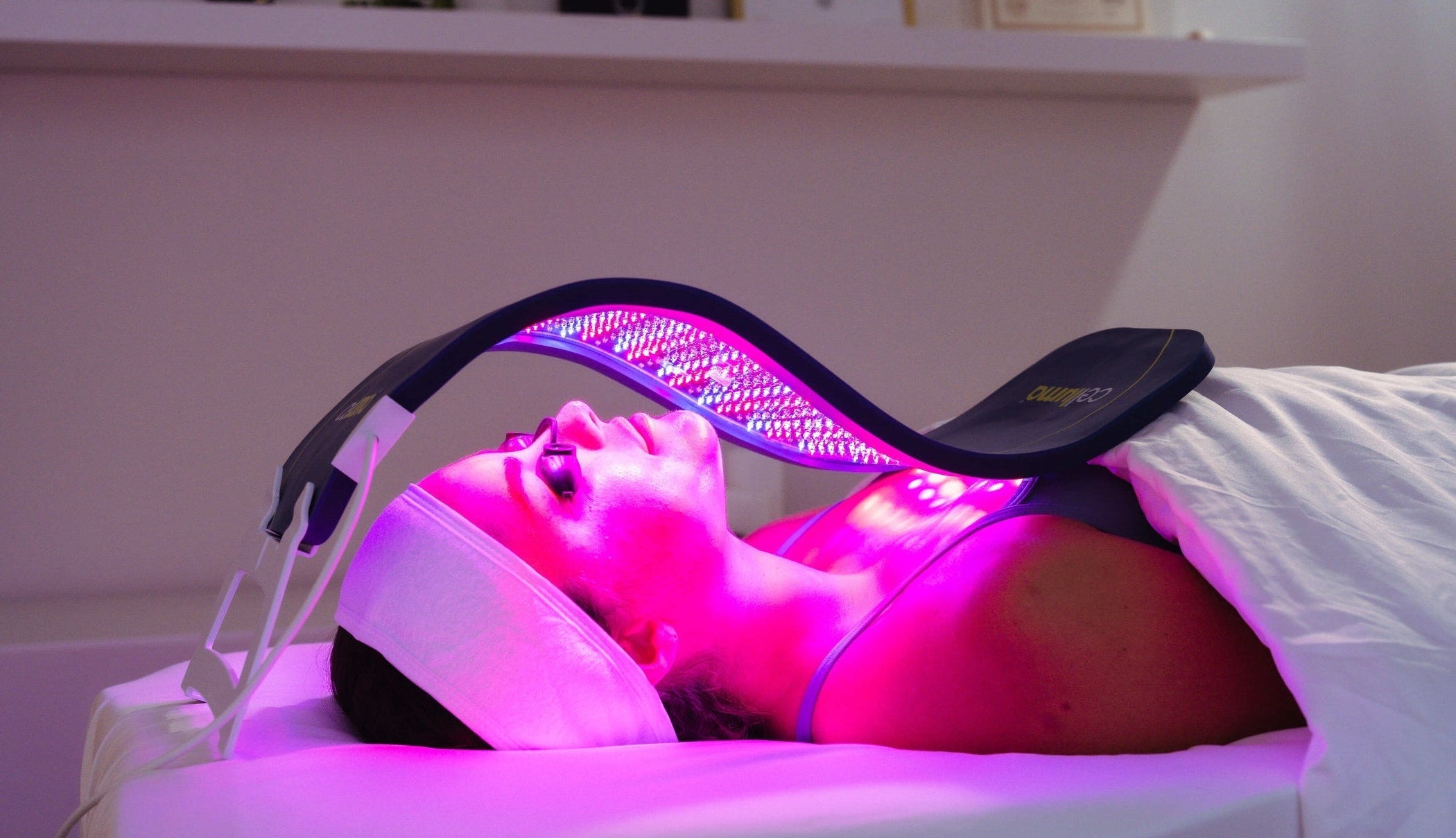
Home phototherapy represents a scientifically validated revolution in skin care, with certified professional devices bringing clinical treatments directly to your home. Recent studies show that photobiomodulation stimulates fundamental biological processes such as collagen production, inflammation reduction, and cell regeneration. This guide will help you understand how this technology truly works, distinguish effective devices from simple infrared lamps, and choose the most suitable solution to achieve visible and lasting results for your skin.
Table of Contents
- Key Points
- How Home Phototherapy Works: Mechanisms and Benefits
- Differences Between Professional Photobiomodulation and Traditional Lamps
- Practical Advantages of Home Phototherapy: Efficacy, Safety, and Convenience
- Tips for Choosing and Using Home Phototherapy Effectively and Safely
- Discover Celluma Solutions for Home Phototherapy
- Frequently Asked Questions About Home Phototherapy
Key Points
| Point | Details |
|---|---|
| Scientific mechanism | Photobiomodulation stimulates cellular mitochondria, increasing energy and collagen production through precise wavelengths |
| Technological difference | Professional devices use controlled protocols and certified wavelengths, unlike traditional infrared lamps |
| Proven safety | Recent clinical studies demonstrate efficacy and safety on all skin types with correct parameters |
| Practical advantages | Improved therapeutic adherence, reduced costs compared to in-office treatments, convenience of daily use |
| Selection criteria | Verify real power, CE certifications, eye protection, and device coverage before purchase |
How Home Phototherapy Works: Mechanisms and Benefits
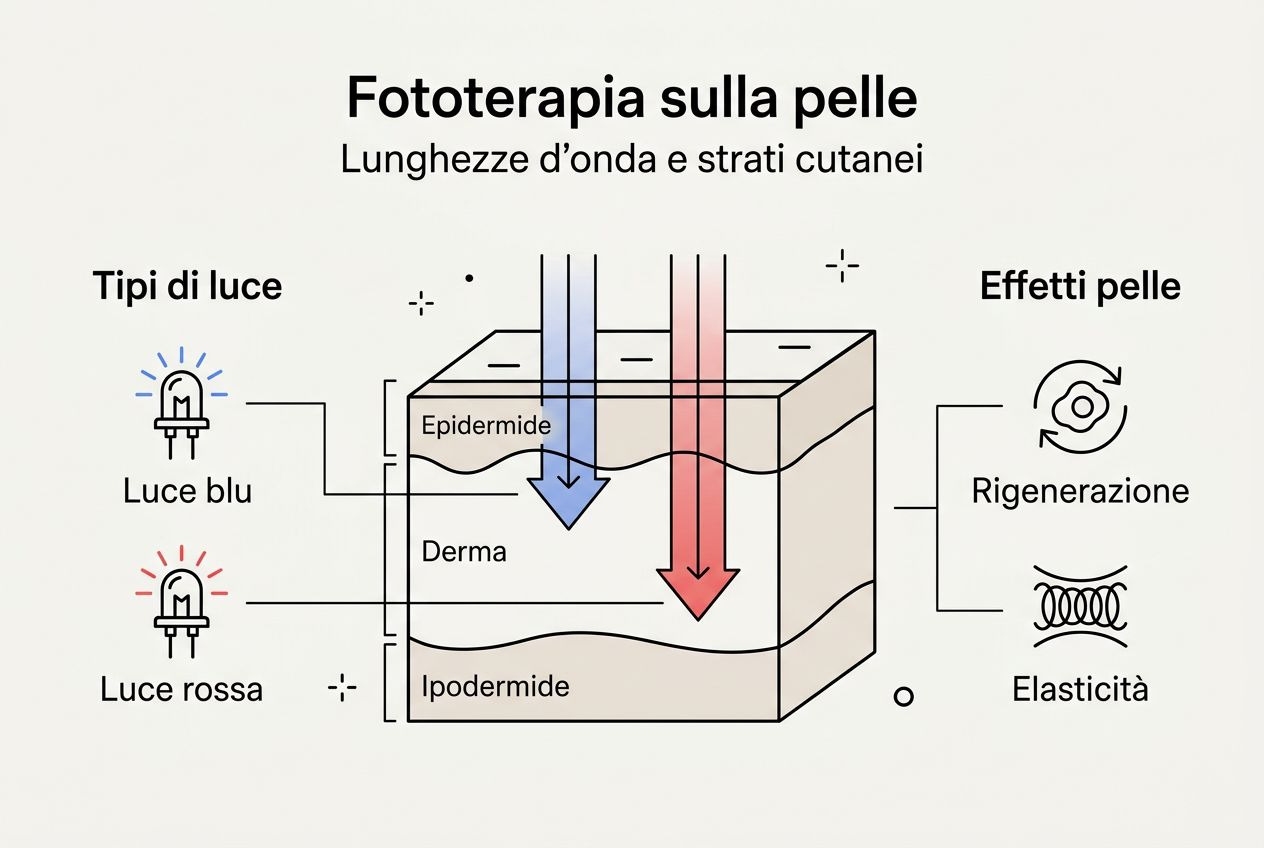
Photobiomodulation represents a sophisticated biological process that goes far beyond simple skin warming. When specific light wavelengths penetrate skin tissue, they stimulate mitochondria, increasing cellular energy and promoting collagen and elastin production. This mechanism activates a cascade of regenerative events that visibly improve skin health.
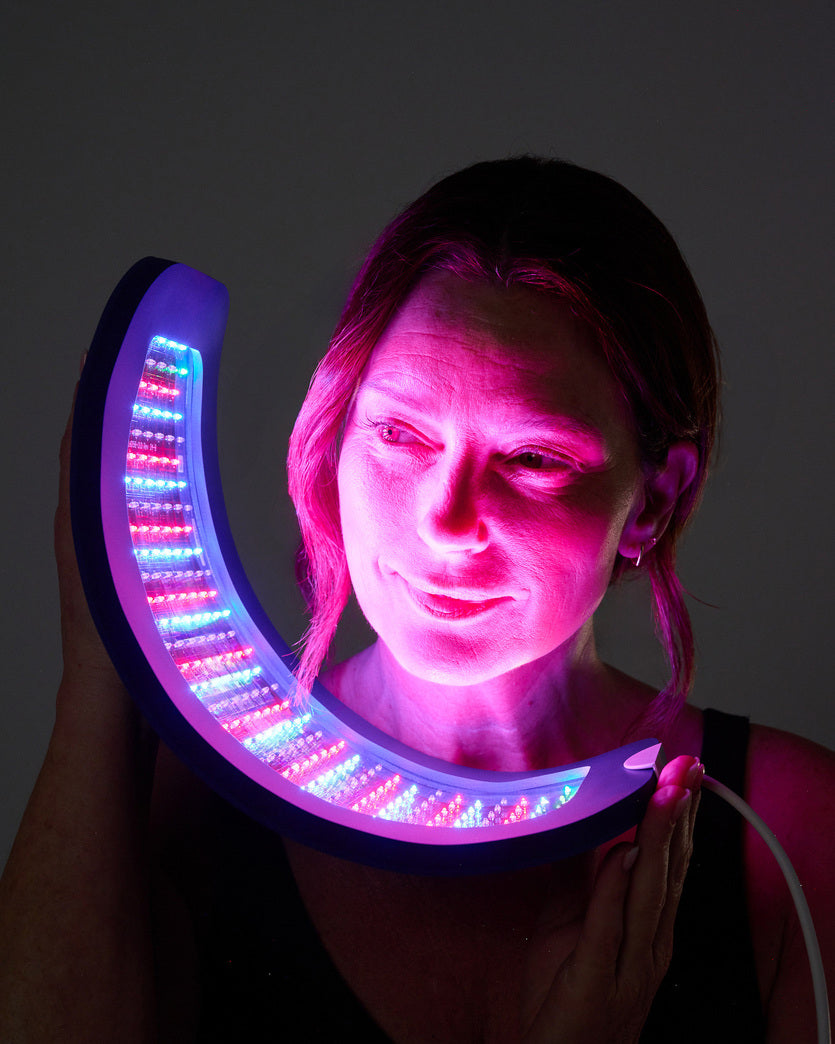
The wavelengths used in professional phototherapy are divided into two main categories, each with specific effects on the tissue:
- Red light (630-660 nm): penetrates up to 8-10 mm deep, stimulating fibroblasts for collagen production and improving skin tone and elasticity
- Near-infrared (810-850 nm): reaches deeper layers up to 40 mm, promoting blood circulation and reducing inflammation in subcutaneous tissues
- Synergistic combination: simultaneous use of both wavelengths amplifies regenerative and anti-inflammatory results
Documented benefits of photobiomodulation include measurable improvements in skin structure. ATP production increases by up to 150% in exposed cells, providing the energy needed for repair and regeneration processes. Microvascular circulation improves significantly, bringing more oxygen and nutrients to tissues. Inflammation is reduced through the modulation of pro-inflammatory cytokines, accelerating recovery from irritations and injuries.
Light penetration varies by wavelength and determines which skin layers receive treatment. Red light primarily acts on the epidermis and superficial dermis, ideal for superficial wrinkles and skin texture. Near-infrared reaches the deep dermis and hypodermis, effective for muscle pain and deep inflammation. This distinction is crucial for choosing the most suitable Celluma PRO PLUS device for your specific needs.
Differences Between Professional Photobiomodulation and Traditional Lamps
Understanding the distinction between scientific photobiomodulation and simple infrared lamps is essential to avoid ineffective purchases. Photobiomodulation uses precise wavelengths and controlled protocols, while traditional lamps emit a broad and non-specific light spectrum. This technical difference translates into completely different clinical results.
Professional photobiomodulation devices are based on rigorous scientific parameters that determine efficacy and safety. Wavelengths are calibrated with nanometer precision to target specific cellular chromophores. Power is controlled to prevent overheating while maintaining a photochemical effect. Exposure time follows clinical protocols validated by peer-reviewed studies. These elements distinguish a therapeutic device from a simple decorative lamp.
To identify a truly effective device, check these essential controls before purchasing:
- Medical CE certification attesting to compliance with European safety and performance standards
- Detailed technical specifications on exact wavelengths (not generic "red light"), power per square centimeter, and usage protocols
- Published clinical studies documenting the efficacy of the specific device or technology used
- Integrated eye protection or clear recommendations to avoid direct eye exposure
- Adequate skin surface coverage for effective treatments without having to multiply sessions
The difference between professional and amateur approaches clearly emerges from the words of industry experts. As researchers specializing in photobiomodulation point out, "the use of non-professional or poorly calibrated devices can not only be ineffective but potentially harmful, causing superficial burns or retinal damage from prolonged exposure to excessive light intensities without adequate protection."
This distinction explains why devices like Celluma LITE Series 2 invest in research, certifications, and ergonomic design. Construction quality and technical precision are not aesthetic options but fundamental requirements for achieving real therapeutic results. An inexpensive device without certifications may seem convenient initially, but it represents a waste if it does not produce measurable effects on skin health.
Practical Advantages of Home Phototherapy: Efficacy, Safety, and Convenience
Beyond technological understanding, the tangible benefits of home phototherapy emerge from recent clinical evidence and the practical experience of thousands of users. Studies demonstrate the efficacy and safety of home phototherapy for psoriasis in all skin types, providing robust scientific validation for the home use of these devices.

The economic aspect represents a significant advantage compared to dermatological office treatments. A full course of phototherapy in a clinic can cost between 1,500 and 3,000 euros for 20-30 sessions, requiring frequent travel and rigid appointments. A professional home device requires an initial investment of between 800 and 2,500 euros but allows unlimited treatments for years, amortizing the cost after just a few months of regular use.
Improved therapeutic adherence is perhaps the most important benefit of home phototherapy. Behavioral studies show that patients complete 85-90% of scheduled home treatments, compared to just 60-65% of in-office sessions. This difference is explained by the elimination of logistical barriers: no travel is needed, scheduling flexibility is total, and privacy is guaranteed. Greater adherence directly translates into superior clinical results.
| Aspect | In-office phototherapy | Home phototherapy |
|---|---|---|
| Cost of full course | 1,500-3,000 euros | 800-2,500 euros (one-time) |
| Recommended frequency | 2-3 times/week | 3-5 times/week |
| Time per session | 15-20 min + travel | 10-20 min at home |
| Scheduling flexibility | Limited to appointments | Total |
| Average adherence | 60-65% | 85-90% |
| Supervision | Direct professional supervision | Autonomous with guidelines |
The safety of home phototherapy is supported by decades of clinical research and practical use. Certified devices incorporate protection mechanisms that prevent overexposure: automatic timers limit session duration, temperature sensors prevent overheating, and ergonomic design maintains optimal distance from the skin. Reported side effects are minimal and transient, occasionally limited to mild redness that disappears within a few hours.
Pro Tip: To maximize results with home phototherapy, maintain realistic expectations about timing. The first visible improvements generally require 4-6 weeks of regular treatments, while optimal results emerge after 8-12 weeks. Document progress with weekly photos in the same lighting to objectively monitor changes that might seem gradual day by day.
Tips for Choosing and Using Home Phototherapy Effectively and Safely
Moving from theory to practice, choosing the right device requires attention to specific technical parameters that determine the efficacy and safety of the treatment. The safety of photobiomodulation is high if correct parameters and usage precautions are observed, but this presupposes an adequately designed device.
The checklist for evaluating professional devices includes essential technical verifications:
- Health certifications: verify medical CE mark (not just generic CE), FDA approvals if available, ISO 13485 compliance
- Eye protection: presence of protective filters, included glasses, or explicit recommendations to avoid direct exposure
- Surface coverage: adequate treatment area for target zones (face requires at least 200-300 cm², body 500-1000 cm²)
- Warranty and support: minimum 2 years warranty, accessible technical assistance, provided clinical documentation
Correct usage procedures optimize results and prevent problems. Maintain a distance of 15-30 cm from the skin for panel devices, or follow specific instructions for contact devices. Start with 10-minute sessions to assess skin tolerance, gradually increasing to 20 minutes according to protocol. Treat each area 3-5 times weekly for optimal results, avoiding daily use that does not amplify benefits but can tire the skin.
Precautions and contraindications require particular attention for certain user categories. Avoid phototherapy during pregnancy without medical supervision. Consult a dermatologist if taking photosensitizing drugs such as certain antibiotics or retinoids. Do not directly treat melanomas or suspicious lesions. Always protect your eyes during sessions, even with closed eyelids. Stop immediately if persistent irritations or unexpected reactions occur.
| Parameter | Safe value | Risky value | Notes |
|---|---|---|---|
| Power (mW/cm²) | 20-100 | >150 | Over 150 risk of burns |
| Session duration | 10-20 min | >30 min | Over 30 min no additional benefit |
| Weekly frequency | 3-5 times | >7 times | Daily use does not improve results |
| Skin distance | 15-30 cm | <5 cm | Too close concentrates excessive heat |
| Perceived temperature | Mild warmth | Intense heat | Stop if you feel burning |
Overcoming administrative obstacles can be complex in some healthcare contexts. The main barrier is insurance coverage and dermatological prescription management, especially for chronic conditions like psoriasis or dermatitis. Ask your dermatologist for a detailed prescription specifying the need for home phototherapy. Keep all clinical documentation justifying the treatment. Check with your supplementary health insurance if it covers home medical devices. Some regional health systems partially reimburse the purchase with adequate documentation.
Pro Tip: Keep a treatment diary, recording the date, duration, treated area, and sensations perceived. After 4 weeks, analyze the patterns to identify the optimal protocol for your skin. This documentation is also valuable for discussions with your dermatologist and for justifying any insurance reimbursement claims.
Discover Celluma Solutions for Home Phototherapy
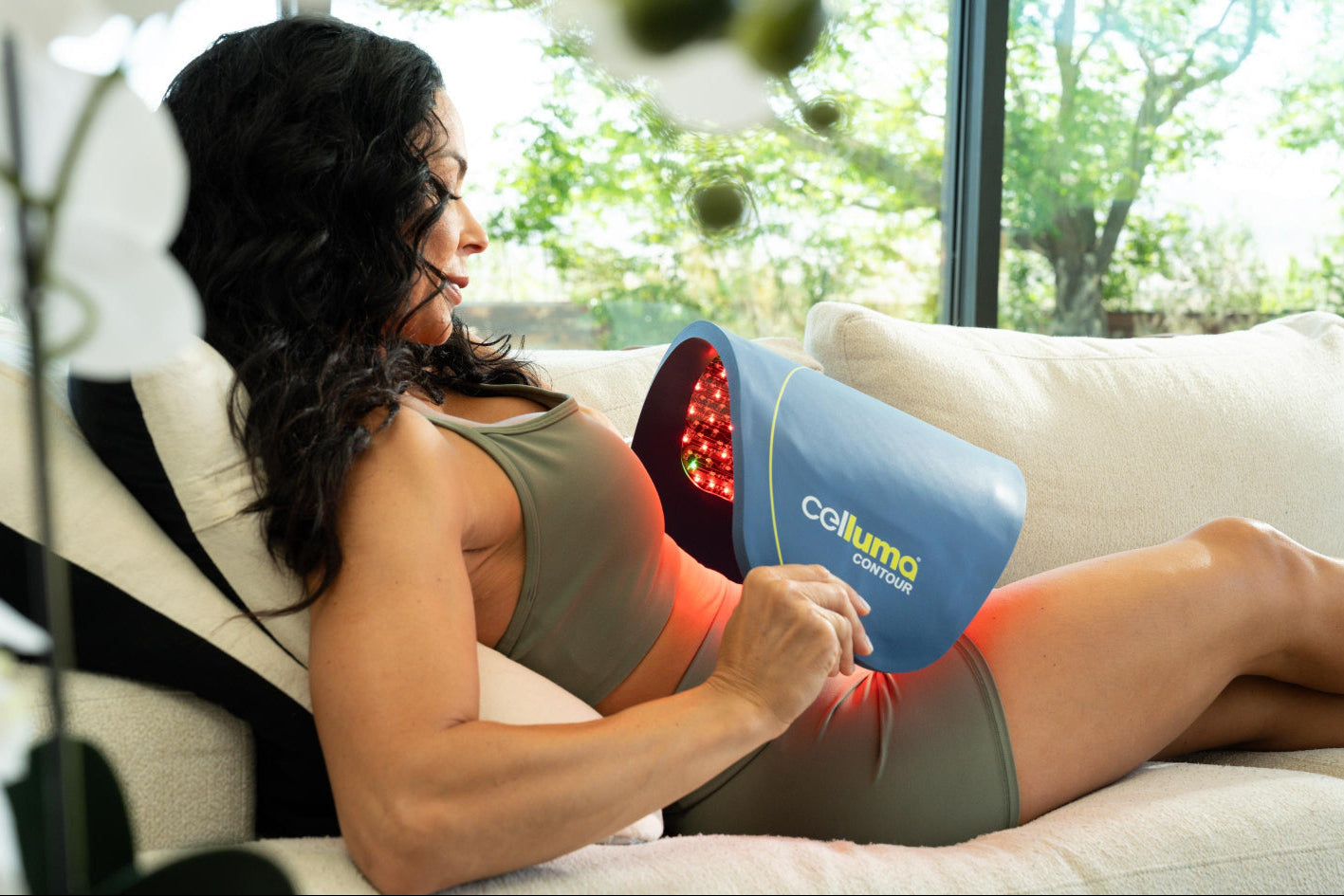
Now that you understand how to effectively choose and use home phototherapy, exploring Celluma professional solutions allows you to access certified and scientifically validated devices. The Celluma range offers photobiomodulation technology developed through years of clinical research, combining therapeutic efficacy with ergonomic design and ease of use.
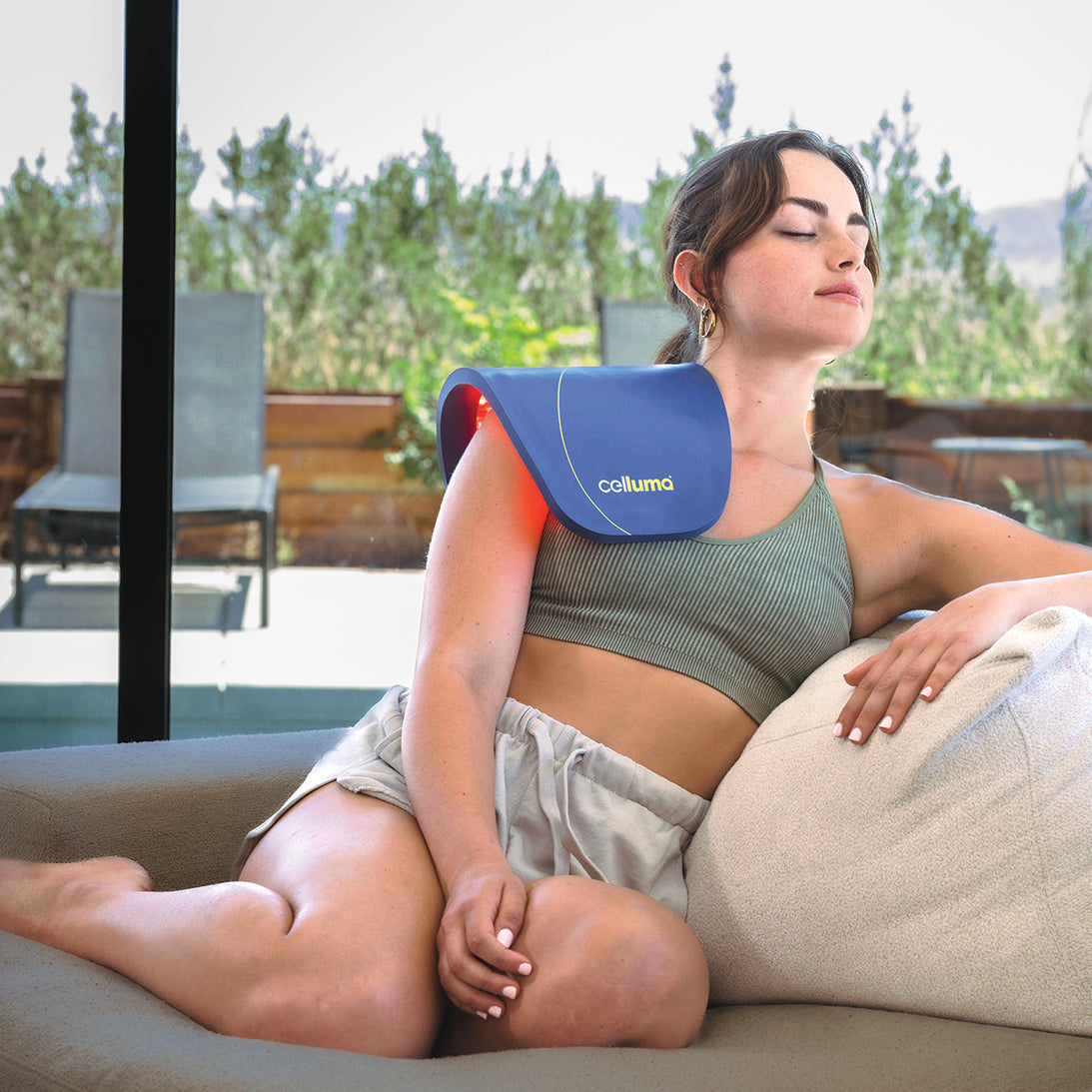
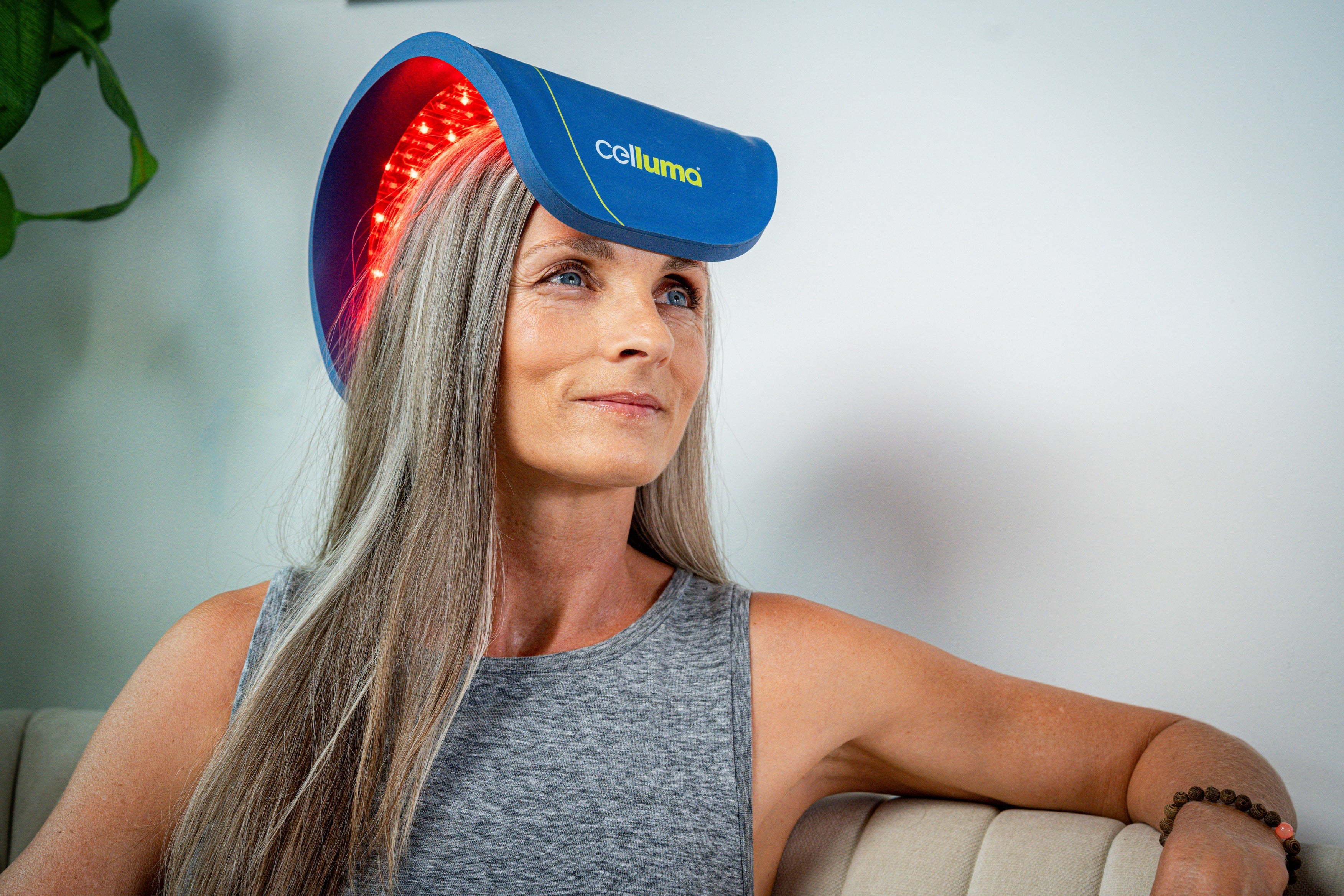
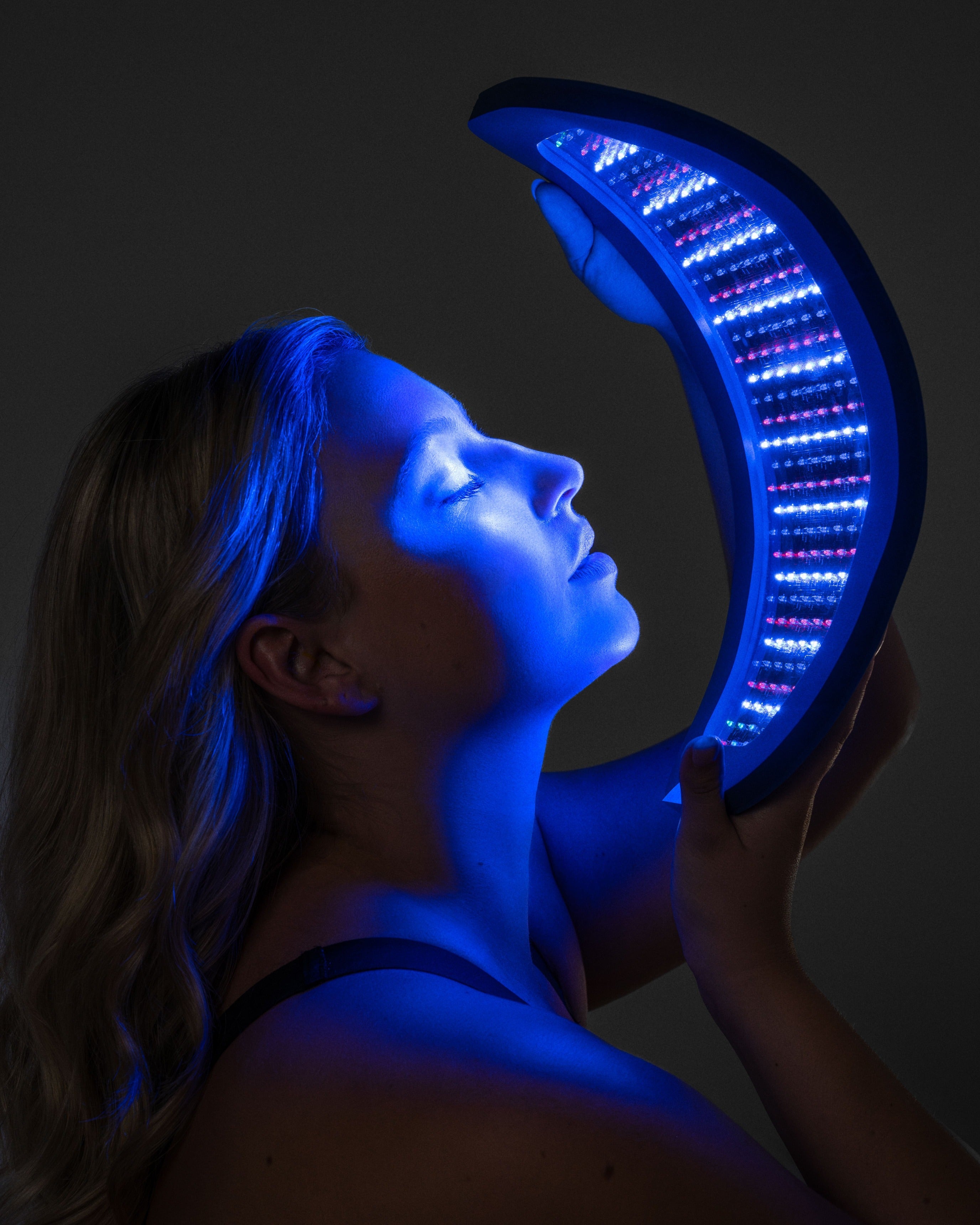
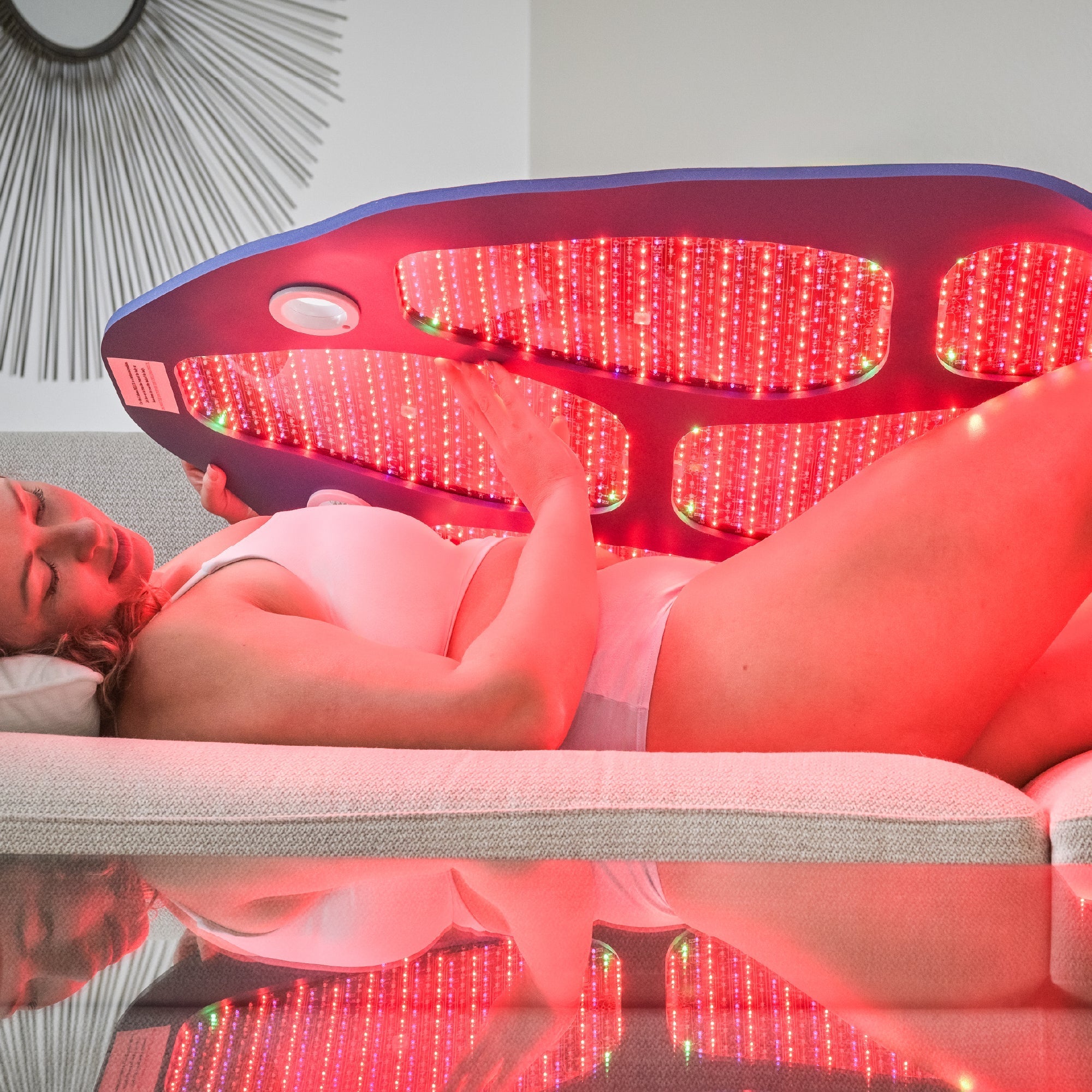
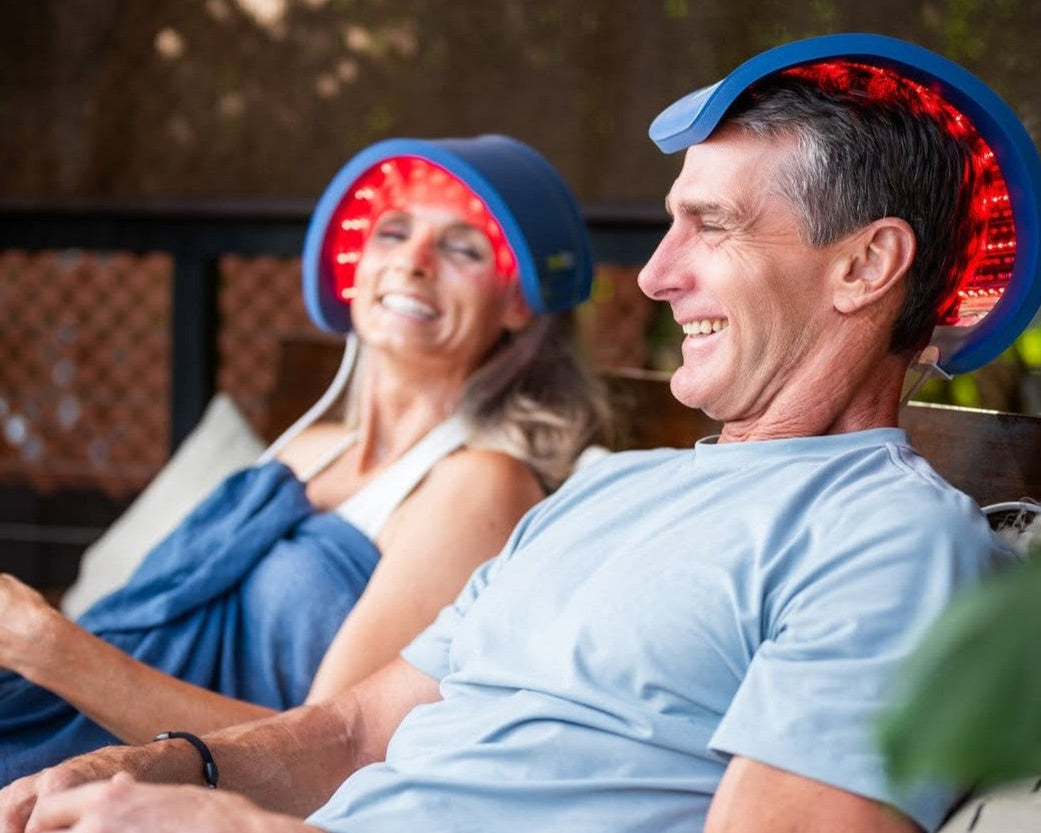
Celluma series are distinguished by medical CE certifications, compliance with the most stringent international standards, and results documented in peer-reviewed studies. The Celluma PRO Series 2 represents the complete professional solution for face and body treatments, while the Celluma LITE Series 2 offers a compact option ideal for targeted facial treatments. For specific needs of extended coverage, the Celluma DELUX provides maximum therapeutic versatility.
Choosing a certified device means investing in safety, proven efficacy, and continuous technical support. Each Celluma product includes detailed usage protocols, specialized assistance, and an extended warranty that protects your investment in the long term.
Frequently Asked Questions About Home Phototherapy
What is the difference between professional and home phototherapy?
Professional phototherapy in a dermatologist's office uses higher power devices with direct medical supervision, while home phototherapy uses certified devices of moderate power designed for safe autonomous use. Both leverage the same principles of photobiomodulation, but home devices incorporate automatic protections and simplified protocols to ensure safety without continuous supervision. Clinical results are comparable when using certified devices following recommended protocols.
What skin conditions can benefit from home phototherapy?
Home phototherapy is effective for many clinically documented skin conditions. Wrinkles and loss of elasticity improve through stimulation of collagen production. Mild to moderate acne responds positively to the anti-inflammatory and antibacterial action of light. Psoriasis, dermatitis, and rosacea benefit from inflammation reduction. Scars and hyperpigmentation show gradual attenuation with regular treatments. It is always advisable to consult a dermatologist before starting treatments for specific conditions.
How long does it take to see effective results?
The first visible improvements generally emerge after 4-6 weeks of regular treatments three times a week. Optimal results require 8-12 weeks of consistent use, with progressive improvements continuing up to 16 weeks. The timing varies based on the condition being treated: acne responds more quickly (2-4 weeks), while deep wrinkles and scars require longer cycles (12-16 weeks). Consistency is the determining factor for achieving and maintaining lasting results.
Is home phototherapy safe for all skin types?
Recent clinical studies, including the LITE study, confirm the safety and efficacy of phototherapy on all skin phototypes, from very fair to very dark skin. Certified professional devices use wavelengths that act at the cellular level without damaging melanin or causing hyperpigmentation. However, some precautions remain necessary: avoid treatments on recent tattoos, consult your doctor if taking photosensitizing drugs, stop if unexpected reactions occur. Safety depends on correct use according to recommended protocols.
What precautions should I take when using it at home?
Always protect your eyes during sessions using provided goggles or by closing your eyelids if treating your face. Thoroughly clean your skin before treatment to remove cosmetics, creams, or impurities that could interfere with light penetration. Avoid intense sun exposure for 24 hours after treatment to prevent photosensitivity. Do not exceed recommended duration and frequency, thinking it will speed up results. Keep the device clean following the manufacturer's instructions to maintain efficacy and hygiene. Consult a dermatologist if you have doubts about interactions with other ongoing therapies.
